Speciality Performance Fabrics for Activewear: How the Right Fabric Can Give Your Brand a Competitive Edge
Discover how speciality performance fabrics can improve comfort, durability, performance and product differentiation for activewear brands. Learn how to choose the right fabric for leggings, sports
Speciality Performance Fabrics for Activewear: How the Right Fabric Can Give Your Brand a Competitive Edge
What makes one activewear product feel premium while another feels ordinary?
Sometimes, the difference is not the design.
It is the fabric.
For emerging activewear brands, fabric selection is becoming an increasingly important part of product development. Customers are looking beyond colours, logos and silhouettes. They want garments that feel comfortable, perform during movement, last through repeated washing and reflect the values of the brand.
That is where speciality performance fabrics can create a real competitive advantage.
A carefully selected fabric can influence:
Comfort
Stretch and recovery
Breathability
Moisture management
Durability
Coverage
Compression
Hand feel
Sustainability
Perceived product value
For brands competing in premium activewear, the right fabric is not simply a material choice.
It can become part of the product identity.
What Is a Speciality Performance Fabric?
Speciality performance fabrics are materials developed or finished to provide specific functional characteristics beyond basic appearance and comfort.
Depending on the application, these fabrics may be engineered for:
Cooling
Helping improve comfort during high-temperature activities.
Moisture management
Helping move moisture away from the skin during exercise.
UV protection
Certain fabrics can be developed with high UPF ratings for outdoor activities.
Compression
Providing controlled support and a more structured fit.
Shape recovery
Helping garments return to their original shape after stretching.
Softness
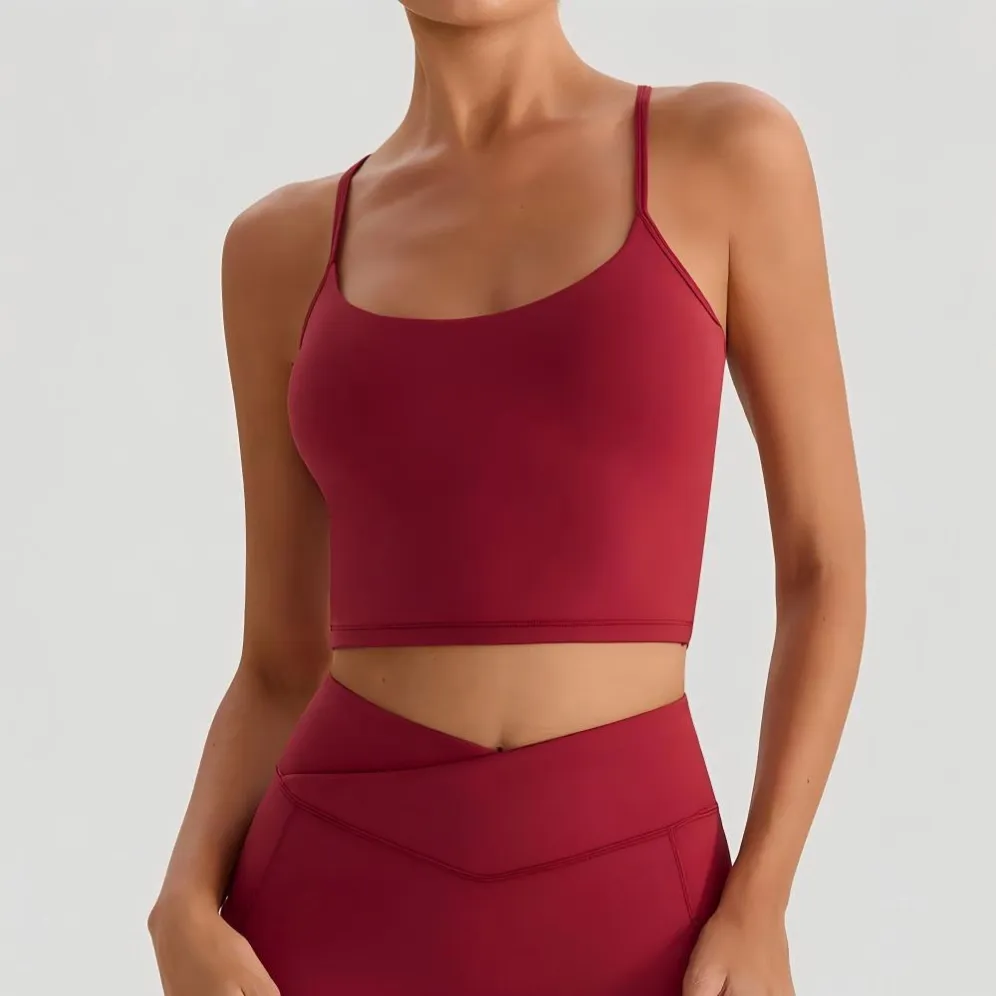
Creating a smoother, softer hand feel for yoga, Pilates and lifestyle apparel.
Durability
Improving resistance to repeated wear, stretching and washing.
The important point is:
There is no single “best” activewear fabric.
The best fabric depends on the product, activity, customer and price positioning.
Why Fabric Can Become a Brand Differentiator
Many activewear brands compete in the same visual categories.
Black leggings.
Neutral yoga sets.
Minimalist sports bras.
Oversized training T-shirts.
The designs may look similar.
So what makes customers choose one brand over another?
Often, it is the experience of wearing the product.
A pair of leggings that feels exceptionally soft, stays opaque during a squat, recovers after stretching and maintains its shape after repeated washing creates a stronger product impression.
This is where speciality fabrics can help brands move beyond visual differentiation.
Instead of simply saying:
“Our leggings look premium.”
A brand can build its product story around:
“Our leggings were developed around softness, recovery, coverage and performance.”
That is a much stronger value proposition.
7 Types of Speciality Fabrics Activewear Brands Should Know
1. Buttery-Soft Performance Fabric
Popular for:
Yoga leggings
Pilates sets
Sports bras
Lifestyle activewear
Typical characteristics include:
Soft hand feel
Four-way stretch
Good recovery
Comfortable compression
Smooth surface
For premium yoga wear, the challenge is finding the balance between softness and performance.
A fabric that feels extremely soft but lacks recovery may not perform well as a legging.
2. High-GSM Sculpting Fabric
Higher-GSM fabrics can provide greater structure, coverage and support.
They are often considered for:
Sculpting leggings
Compression leggings
Training apparel
Premium shaping products
However, higher GSM does not automatically mean higher quality.
A fabric that is too heavy may become uncomfortable or excessively warm.
The goal is to select the appropriate fabric weight based on the garment's intended use.
3. Recycled Nylon Performance Fabric
Sustainability is becoming increasingly important in activewear development.
Recycled nylon fabrics can allow brands to incorporate recycled materials into products while maintaining performance characteristics.
Potential applications include:
Leggings
Sports bras
Training shorts
Yoga wear
For brands making sustainability claims, however, material sourcing and certification should be verified rather than assumed from the word “recycled.”
4. Cooling & Moisture-Management Fabrics
Running and high-intensity training create different fabric requirements from yoga or Pilates.
For these products, brands may prioritize:
Moisture management
Breathability
Quick drying
Lightweight construction
Cooling hand feel
These fabrics are particularly relevant for:
Running tops
HIIT apparel
Gym training wear
Outdoor activewear
The fabric should be selected according to the activity—not simply because a particular finish sounds impressive.
5. High-Stretch Performance Fabric
Stretch is essential for activewear.
But stretch alone is not enough.
A high-quality performance fabric should also provide appropriate recovery.
Poor recovery can lead to:
Baggy knees
Loose waistbands
Loss of shape
Poor fit after repeated wear
This is why fabric development should evaluate:
Stretch + Recovery
rather than looking at stretch percentage alone.
6. Premium Power Mesh
Mesh can be used to combine performance and design.
Depending on the construction, power mesh can provide:
Ventilation
Support
Structure
Visual contrast
Common applications include:
Sports bras
Long-sleeve tops
Performance panels
Waist panels
Back panels
The key is choosing a mesh that is soft enough against the skin while remaining stable enough for the intended application.
7. Speciality Knit Fabrics for Outerwear
Activewear is no longer limited to leggings and sports bras.
Many brands are developing collections that move between:
Workout → Studio → Street → Everyday Life
This creates opportunities for speciality knit fabrics with:
Higher fabric weight
Structure
Softness
Stretch
Premium texture
These fabrics can help create jackets, outer layers and lifestyle pieces that extend the activewear brand beyond traditional gym clothing.
How Should an Activewear Brand Choose a Speciality Fabric?
This is where many new brands make a mistake.
They start with:
“Which fabric is the best?”
A better question is:
“Which fabric is best for this specific product and customer?”
We recommend considering six factors.
1. Product
Is it a legging, bra, T-shirt, jacket or skirt?
2. Activity
Yoga and Pilates require different characteristics from HIIT or running.
3. Climate
A fabric suitable for hot and humid markets may not be ideal for cold-weather collections.
4. Fit
Loose garments and compression garments require different fabric behaviour.
5. Target Price
Premium materials and speciality finishes can affect product cost.
6. Customer Expectations
A luxury Pilates customer may prioritize softness and comfort.
A performance-training customer may prioritize support, moisture management and durability.
Fabric selection should start with the customer—not the fabric catalogue.
Why Fabric Testing Should Happen Before Bulk Production
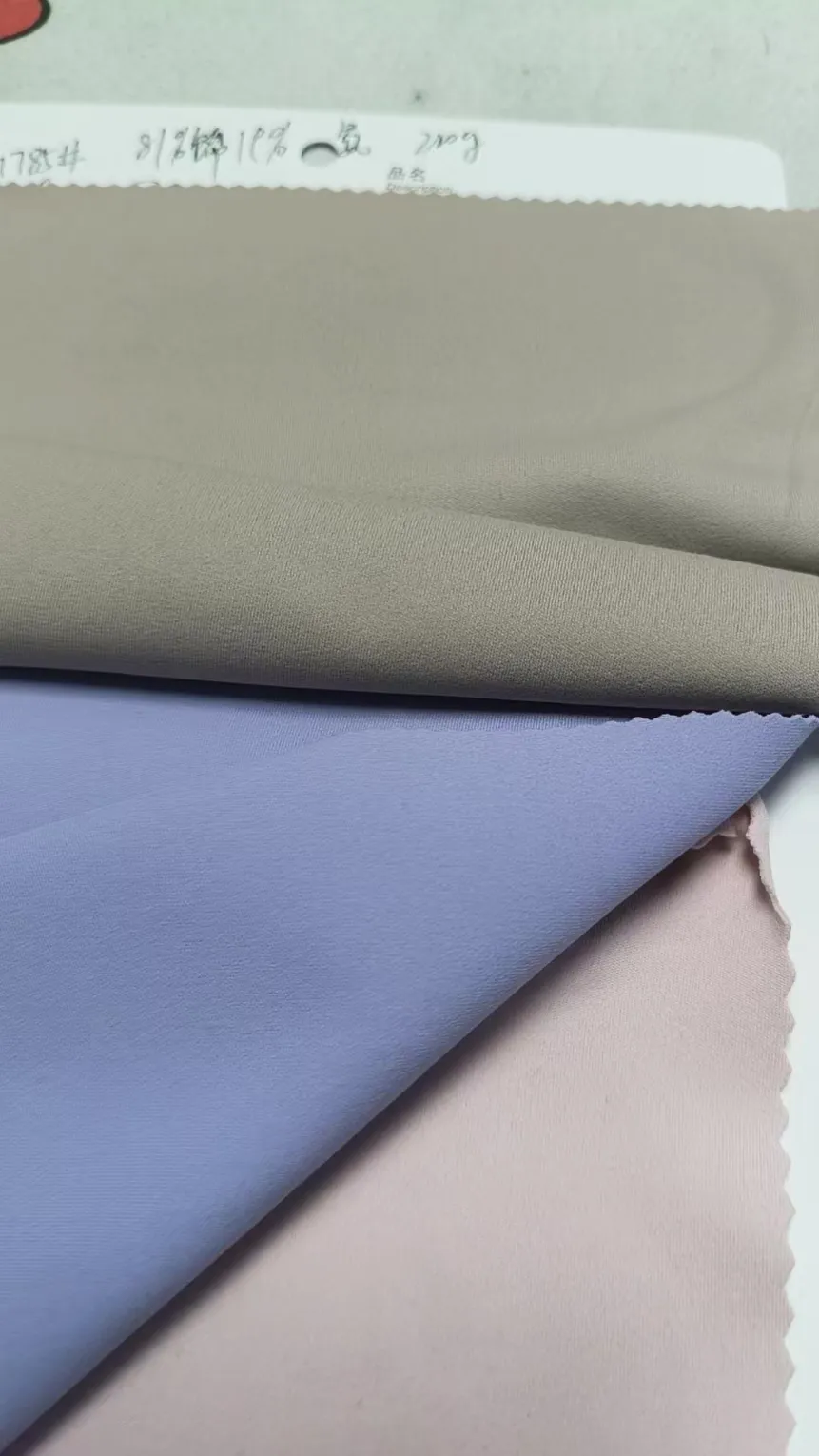
A fabric can look perfect on a swatch and still perform differently in a finished garment.
That is why fabric testing and sample development are important before committing to bulk production.
Depending on the product, brands may want to evaluate:
Stretch
Recovery
GSM
Opacity
Pilling resistance
Colourfastness
Wash performance
Moisture management
Hand feel
Garment fit
For leggings, for example, testing the fabric under movement can be more meaningful than simply examining the fabric flat on a table.
The real test is how the fabric performs on the body.
Speciality Fabric Doesn't Mean “More Expensive”
A common misconception is that speciality fabrics are only for luxury brands.
Not necessarily.
The important question is:
Does the fabric solve a specific product problem?
For example:
If your customers frequently complain about leggings becoming transparent, improving coverage may create more value than adding an expensive decorative detail.
If customers complain about overheating, breathability and moisture management may matter more than a heavier fabric.
If customers complain that garments lose their shape, recovery becomes a priority.
The best material investment is the one that solves your customer's biggest problem.
From Fabric Selection to Finished Activewear
At MijaWear, we believe fabric development should happen together with product development.